

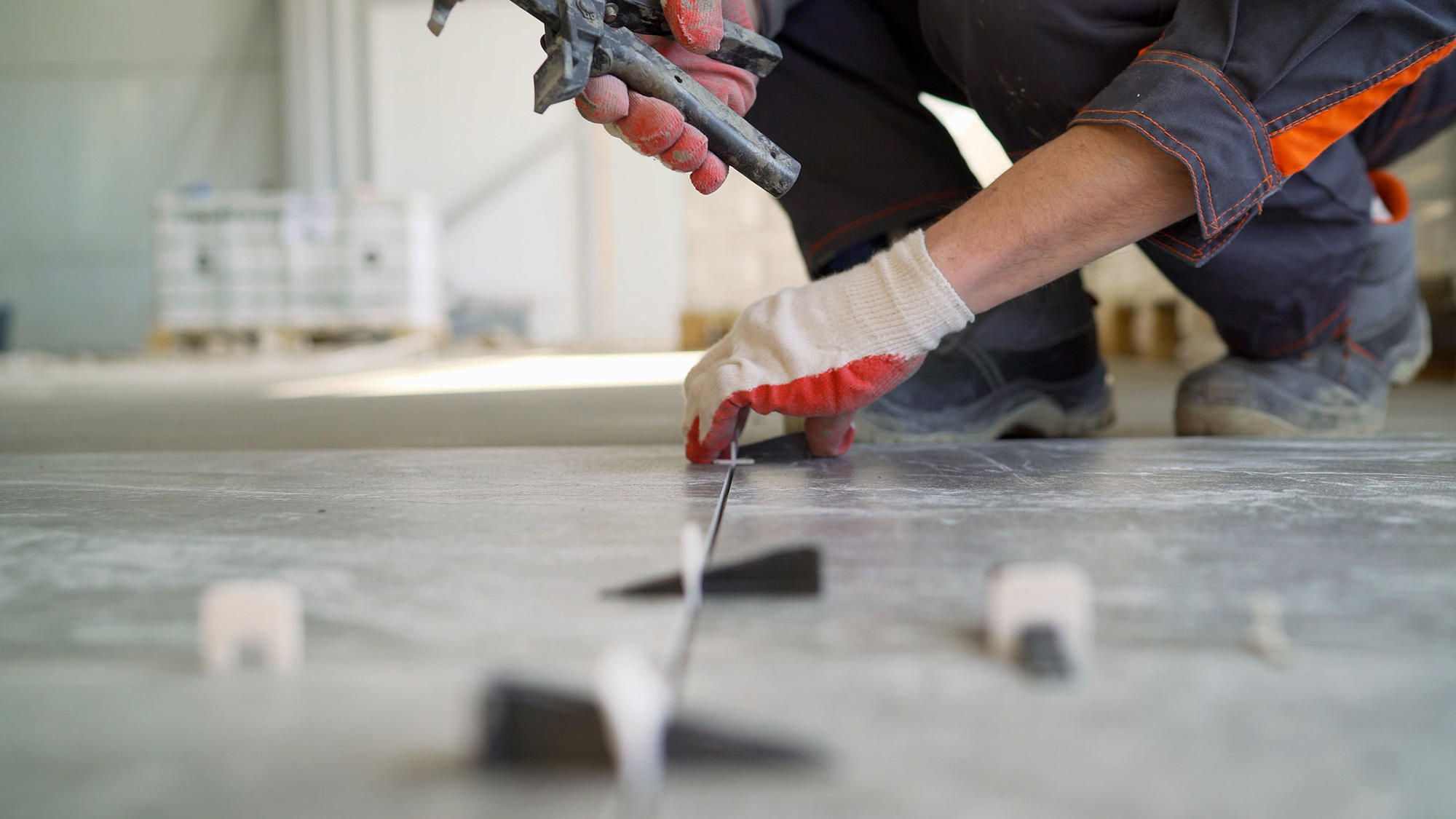
Tile flooring can completely change the appearance of a kitchen, bathroom, entryway, or other room, which makes a do-it-yourself installation tempting when you are trying to control the budget. The basic materials may look straightforward: tile, adhesive, grout, and a few tools.
The reality is more complicated. Tile installation requires careful surface preparation, accurate layout, specialized cutting, and attention to details that can affect the finished floor for years. Before deciding whether DIY is worth the savings, it helps to compare the full cost of both approaches.
What DIY Tile Installation Can Save
The most obvious DIY saving is labor. Professional tile installation often represents a substantial portion of the project budget. Angi's current cost guidance puts professional tile installation at roughly $5 to $15 per square foot for labor, although actual pricing varies by location, tile type, layout, and project complexity. If you already own the necessary tools and have experience with tile work, eliminating professional labor can reduce the upfront cost.
But most first-time installers do not own everything they need. Tile saws, wet saws, spacers, levels, mixing equipment, trowels, kneeling protection, and other tools can add to the budget. Rental costs may help, but they still need to be factored into the project. You also need to account for wasted tile from incorrect cuts or breakage.
Where Professional Tile Installation Adds Value
A professional installer brings more than labor. Proper tile installation starts before the first tile is set. The subfloor or substrate needs to be suitable for the tile and installation system. Uneven surfaces may need correction, and moisture-prone rooms may require appropriate waterproofing or backer-board preparation. Layout is another major consideration. An experienced installer can plan where cuts will fall, how the pattern will align across the room, and how transitions will meet adjacent flooring.
Those details matter because tile is relatively unforgiving. A floor can have attractive material but still look poorly finished if rows drift, corners do not align, grout joints vary, or cuts are prominently visible. Professional installation can also help reduce the likelihood of having to remove and replace a failed installation.
Your Tile Flooring Cost Is More Than Tile and Labor
When comparing DIY and professional projects, calculate the entire budget rather than focusing on one line item. Your tile flooring cost may include:
Tile and extra material for cuts and future repairs
Underlayment or substrate materials
Mortar or adhesive
Grout
Sealers where applicable
Trim and transition materials
Demolition and disposal
Tool purchases or rentals
Subfloor preparation
Waterproofing where required
Professional labor
A complicated pattern or room with numerous corners can increase installation time. Large-format tile may require especially careful substrate preparation, while intricate mosaics can require extensive layout and cutting.
When DIY May Be Reasonable
DIY tile work can be more approachable for a homeowner with previous installation experience, a simple rectangular space, a suitable substrate, and enough time to work carefully. A small backsplash or straightforward room can be a very different project from a large bathroom with shower waterproofing, plumbing penetrations, multiple transitions, and an intricate pattern.
If you do take the DIY route, follow the tile and installation-material manufacturers' instructions carefully. Do not assume that techniques used for one tile or substrate will work for another. And remember that the cost of correcting a mistake can quickly erase the original labor savings.
Consider More Than Tile Installation Cost
Current tile flooring trends 2027 include natural stone looks, warm neutrals, larger formats, textured surfaces, and patterns that can make a room feel more customized. The design you choose can influence both material and installation requirements. Feel Good Floors can help you compare tile flooring options and understand what your project may require before you commit to a DIY installation.
Visit our showroom to explore tile styles and discuss your layout with a flooring professional. Contact us today to review your tile installation cost in Lexington, TN and throughout Jackson, TN, Parsons, TN, Savannah, TN, Huntington, TN, and West Tennessee.