

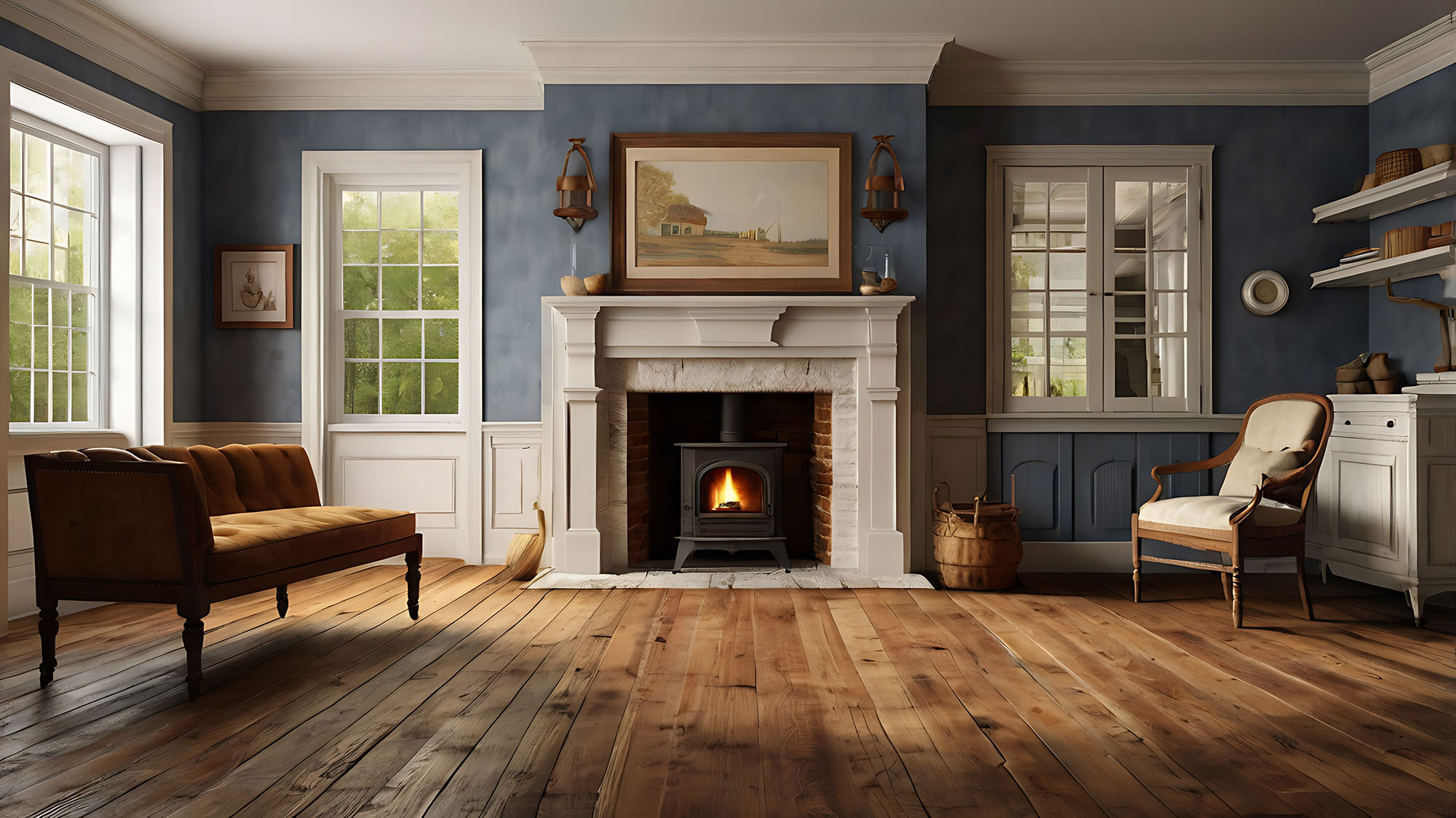
A hardwood floor can look worn long before it is actually ready for replacement. Dull finish, surface scratches, faded color, and years of foot traffic can make a once-beautiful floor feel tired. In many cases, though, the underlying hardwood is still worth saving.
That is where hardwood floor refinishing comes in. Refinishing can restore the appearance of existing hardwood without the expense and disruption of installing an entirely new floor. But the real cost depends on much more than the size of the room.
Hardwood Floor Refinishing Cost in 2026
For 2026, a reasonable national planning range for professional hardwood floor refinishing is about $3 to $8 per square foot, with dustless refinishing generally costing more. Angi reports a typical complete project average of $1,891, with many projects falling between $1,107 and $2,680.
For example, a 400-square-foot area could fall somewhere around $1,200 to $3,200 before project-specific complications are considered. A larger 1,000-square-foot project could potentially reach $3,000 to $8,000 or more.
Those numbers are useful for planning, but they are not a substitute for a flooring estimate. Local labor rates, floor condition, wood species, layout, and the finish you select can all change the final price. It is also worth remembering that refinishing is different from hardwood installation. With refinishing, the existing floor remains in place. The process generally involves preparing and sanding the surface before applying stain and protective finish when desired.
What Can Push the Price Higher?
The condition of the floor is one of the biggest variables. A hardwood floor with light wear may require relatively straightforward preparation. Deep scratches, dents, stains, damaged boards, or areas affected by moisture can require additional work. Angi estimates common hardwood repairs at roughly $200 to $600, although extensive damage can cost considerably more.
The type of wood matters, too. Some species are more straightforward to refinish, while others require greater care during sanding and finishing. Older floors may also present surprises once the existing finish is removed. Then there is the question of stain and finish. If you like the natural color of the wood, you may not need to change the stain at all. If you want a darker, warmer, or updated appearance, staining adds another stage to the project.
Dustless refinishing can also increase the price. Traditional refinishing is typically less expensive, while dustless systems use commercial vacuum equipment to collect much of the sanding dust as the work progresses.
Refinishing vs. Replacing Hardwood Flooring
This is where the potential savings become especially meaningful. Replacing hardwood means paying for new flooring material, removal of the existing floor when necessary, preparation, installation, and finishing. Refinishing keeps the existing hardwood in place, so you are primarily paying to restore what you already have.
That makes refinishing worth considering when the existing hardwood still has enough usable material and the damage is primarily on the surface.
It may not be the right solution when boards are extensively damaged, there has been significant moisture exposure, or the floor cannot be sanded safely. In those cases, a flooring professional can help determine whether repair, refinishing, or new hardwood installation makes more sense.
Consider Lexington’s Climate When Planning the Project
Homes in Lexington and across West Tennessee experience substantial seasonal changes. Summers are hot and humid, while the region also sees colder, wetter winter conditions. Lexington averages more than 50 inches of precipitation annually, with humidity particularly noticeable during the warmer months.
That makes moisture management an important part of any hardwood project. A refinishing job should not simply be about choosing a stain color. Your flooring professional should also evaluate the condition of the boards and the surrounding environment before work begins. This is particularly important in entryways and other areas where tracked-in moisture, dirt, and heavy foot traffic can accelerate wear.
Get a Clear Estimate Before You Commit
The best way to understand your hardwood floor refinishing cost is to have the actual floor evaluated. Square footage provides a starting point, but it does not tell the whole story. Ask what is included in the estimate, whether repairs are necessary, which preparation method will be used, what type of finish is recommended, and whether additional work such as moving furniture or addressing damaged boards will affect the price. If your existing hardwood still has plenty of life left, refinishing could give you the refreshed look you want without starting over with a completely new floor.
Give Your Hardwood Floors a Fresh Start
If you are considering hardwood floor refinishing, Feel Good Floors can help you evaluate your flooring project and determine the right next step. Visit our showroom to explore flooring options and talk through your plans with a flooring professional. Contact us today to get started, and let us help you find the right solution for your home in Lexington, TN and throughout Jackson, TN, Parsons, TN, Savannah, TN, Huntington, TN, and West Tennessee.